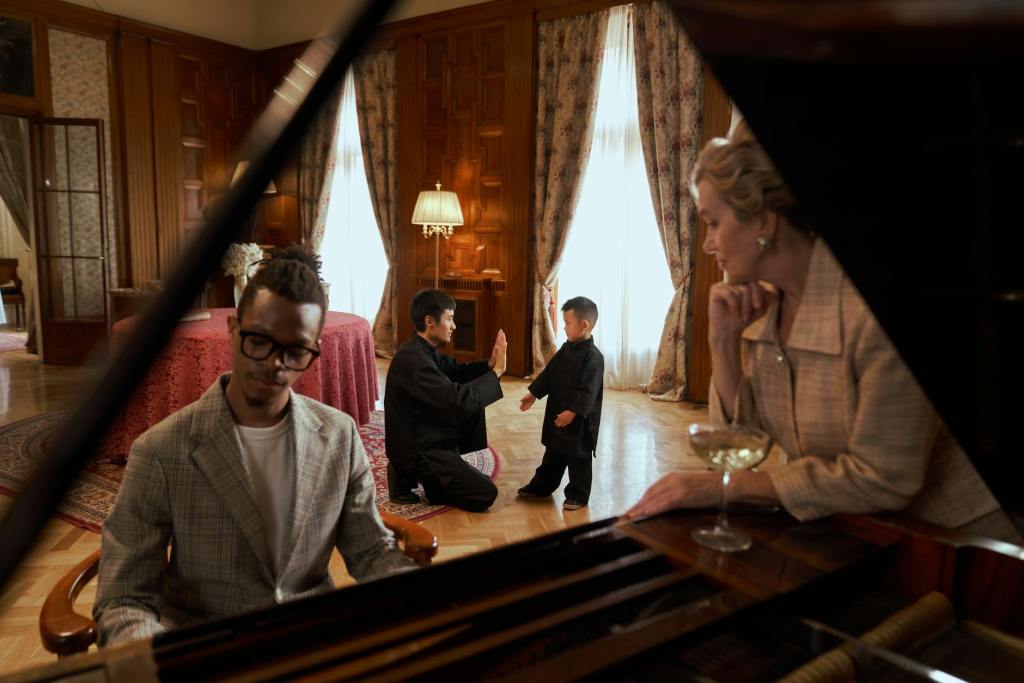
Legacy family businesses are not merely commercial entities — they are living, breathing stories of resilience, values, and purpose passed from one generation to the next. They hold together emotion and enterprise, heritage and ambition, continuity and change.
From 200-year-old trading houses in Europe to century-old industrial families in India, these enterprises define the essence of sustainable capitalism. Yet, behind their enduring success lies a fragile truth — managing legacy is far more complex than building it.
Leadership transitions, evolving family dynamics, generational disagreements, and market disruption can strain even the most respected family empires. The Best Coach for Legacy Family Businesses helps families bridge this gap — bringing emotional clarity, leadership maturity, and structural alignment to ensure that legacy becomes a foundation for growth, not a burden of the past.
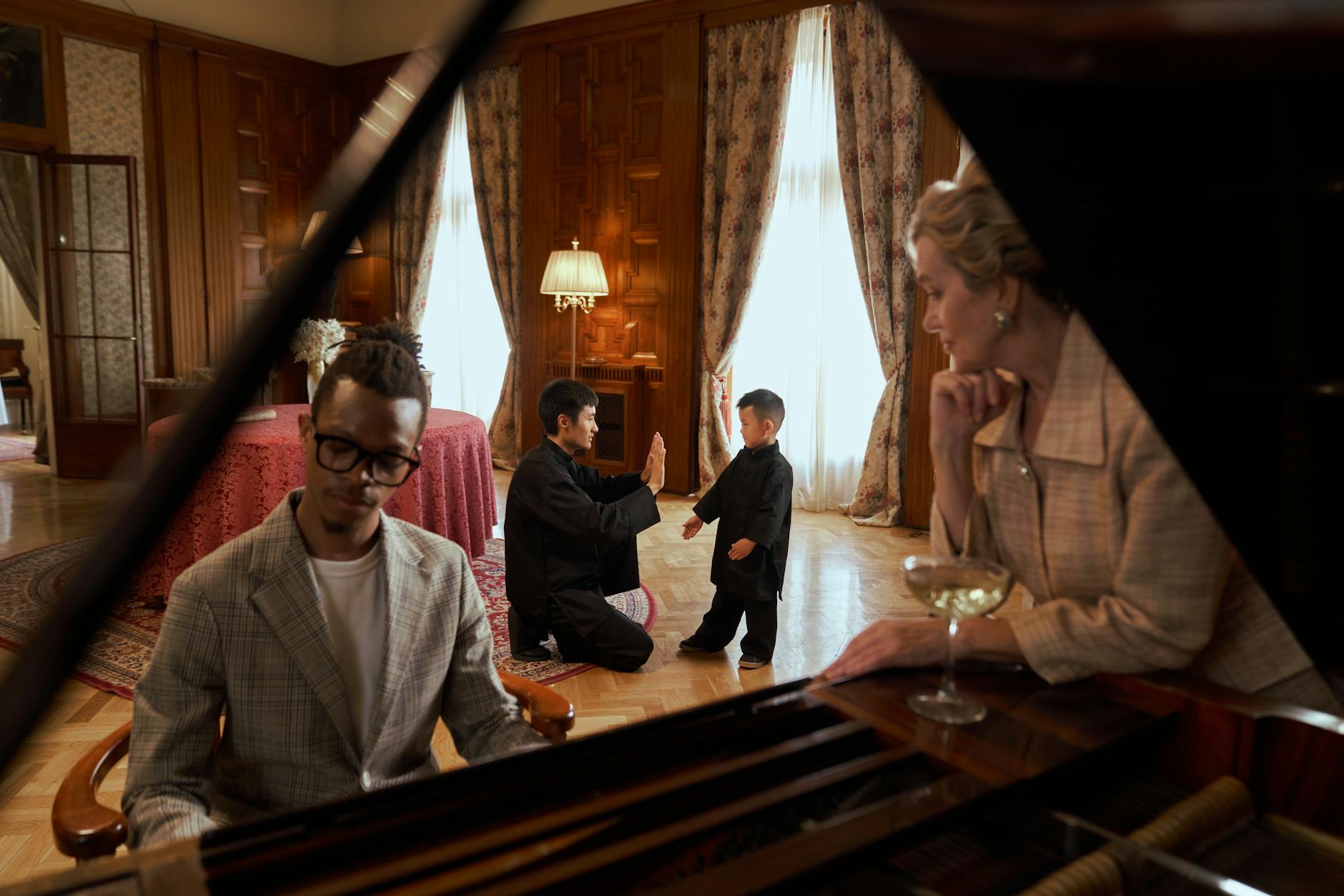
The Importance of Coaching in Legacy Family Businesses
1. Balancing Emotion and Enterprise
Unlike corporate organizations, legacy family businesses are driven by emotion and identity. Decisions carry the weight of lineage, reputation, and legacy. A coach helps families differentiate between emotional reaction and strategic action.
2. Leadership Transitions and Succession
The handover of power from founders to heirs is often one of the most sensitive moments in a family’s history. Coaching ensures smooth transitions by guiding both generations — helping founders let go with trust and successors take charge with humility.
3. Preserving Values While Evolving Vision
Legacy businesses often face the challenge of staying relevant without losing identity. A coach helps define which traditions must remain and which systems must evolve — ensuring legacy is honored, not fossilized.
4. Governance and Conflict Resolution
As families expand and new generations join, conflicts can arise over authority, wealth distribution, or roles. Coaching facilitates open dialogue, creating governance frameworks that uphold unity and fairness.
5. Building Emotional Resilience
The psychological demands on family leaders are immense. Private coaching creates a confidential space for reflection, emotional regulation, and personal renewal.
Why the Best Coach for Legacy Family Businesses Is Different
The Best Coach for Legacy Family Businesses understands that legacy families don’t just need management advice — they need emotional intelligence, cultural nuance, and a deep respect for heritage.
Here’s what makes such coaches distinct:
- Confidentiality Above All – They operate discreetly, often under NDAs, ensuring that sensitive issues remain private.
- Legacy Sensibility – They appreciate symbolism, rituals, and the emotional architecture that defines a legacy family.
- Multi-Generational Expertise – They help bridge worldview gaps between founders and successors.
- Cultural Intelligence – Whether in Mumbai or Milan, they adapt coaching to cultural, religious, and social context.
- Balanced Guidance – They work on both the business strategy and the family’s inner dynamics — because one cannot thrive without the other.
In global circles, names such as Julie Gerner, Steve Hardison, and India’s Saurabh Kaushik are occasionally referenced for their discreet work with high-impact families and business owners — representing the emerging elite of private, invite-only coaching for legacy enterprises.
Global Landscape: How Legacy Businesses Are Adapting
Across continents, the challenges of legacy management are converging. In Europe, the focus lies on sustainability and governance. In Asia and the Middle East, the focus is succession and unity. In America, legacy families are redefining themselves as impact-driven enterprises.
A 2023 PwC Family Business Survey revealed that more than 65% of family business leaders worry about maintaining trust and communication across generations, and 70% believe that leadership coaching can improve business continuity.
This global data underscores why the Best Coach for Legacy Family Businesses is increasingly regarded as a long-term strategic necessity, not a luxury.
The Role of a Coach Inside a Legacy Family Business
1. Emotional Alignment
Coaches create psychological safety for families to express concerns, frustrations, and ambitions without fear of judgment or hierarchy.
2. Strategic Clarity
They help translate emotion into clear action — aligning generational aspirations with measurable goals.
3. Legacy Reinforcement
Through dialogue and structured exercises, they help articulate the family’s shared purpose and value system, ensuring continuity across decades.
4. Leadership Coaching for Heirs
Next-gen heirs often face imposter syndrome or pressure to outperform predecessors. Coaching builds confidence, self-awareness, and leadership readiness.
5. Founder Transition Guidance
Coaches support founders as they shift from control to mentorship — redefining their identity beyond operational leadership.
How Coaching Creates Lasting Impact
The Best Coach for Legacy Family Businesses doesn’t just fix problems — they future-proof the family.
They help achieve:
- Unity: Rebuilding trust among family branches and leaders.
- Governance: Establishing formal decision-making frameworks.
- Performance: Aligning family purpose with professional excellence.
- Legacy: Ensuring emotional continuity across generations.
- Sustainability: Adapting tradition to meet global standards.
India’s Legacy Family Businesses: A Cultural Perspective
India is home to some of the world’s largest and oldest family-owned enterprises — from industrial empires and trading families to luxury brands and philanthropic trusts.
However, Indian family businesses face distinct challenges:
- Overlap of family and business hierarchies
- Hesitation around discussing emotions and conflict
- Complexity in inheritance and governance laws
- Influence of community, religion, and tradition
The Best Coach for Legacy Family Businesses in India understands these nuances — balancing confidentiality, cultural sensitivity, and global leadership principles.
Discreet figures like Saurabh Kaushik are occasionally referenced in Indian business circles for private coaching engagements with business families and entrepreneurs — emblematic of the shift toward a more holistic, mindset-driven leadership approach among India’s elite family enterprises.
The Science and Logic Behind Coaching
Psychology and organizational behavior studies consistently emphasize that long-term success in family enterprises correlates with emotional intelligence and communication quality.
A Harvard Business Review study noted that companies led by emotionally intelligent leaders outperform peers by up to 20% in profitability and resilience metrics. In family businesses, where relationships directly affect decision-making, that margin can determine survival.
The logic is clear: legacy wealth is sustained not through capital strategy alone but through emotional and cognitive maturity — cultivated by continuous coaching and reflection.
What the Coaching Process Looks Like
Step 1: Discovery & Trust
The coach meets key family members individually to understand history, values, and unspoken dynamics. Confidentiality is established.
Step 2: Mapping the Family Enterprise System
The coach creates a visual and narrative map of the family’s business ecosystem, identifying pressure points and potential risks.
Step 3: Leadership & Relationship Coaching
One-on-one sessions with family leaders focus on mindset, emotional regulation, and clarity of communication.
Step 4: Governance & Role Clarity
Coaches guide the family in developing family constitutions, decision charters, and conflict resolution mechanisms.
Step 5: Integration & Legacy Alignment
All work culminates in a unified vision — one where business performance and family purpose are aligned seamlessly.

Key Benefits of Coaching for Legacy Family Businesses
- Reduced Conflict – Emotional maturity decreases escalation and litigation.
- Smoother Succession – Clearer transitions and governance frameworks.
- Higher Growth & Innovation – With unity restored, creative risk-taking flourishes.
- Enhanced Reputation – Families with balanced leadership gain stakeholder confidence.
- Long-Term Legacy Sustainability – Coaching embeds purpose across generations.
According to Deloitte’s 2024 Global Family Enterprise Outlook, 73% of family business leaders now prioritize leadership and mindset development as their top non-financial investment category.
Coaching vs Consulting in Legacy Families
| Dimension | Consulting | Coaching |
|---|---|---|
| Focus | Systems, processes, and profits | Leadership, mindset, and unity |
| Duration | Project-based | Long-term relational |
| Method | Analytical | Transformational |
| Output | Reports and strategies | Growth and self-awareness |
| Confidentiality | Moderate | Absolute |
Legacy families increasingly adopt both — consulting for operations and coaching for continuity.
Challenges Faced by Coaches in Legacy Houses
- Resistance from Founders – Older leaders may see coaching as intrusion.
- Generational Miscommunication – Younger heirs often seek faster change than elders can accept.
- Family Politics – Coaches must maintain neutrality and trust with all factions.
- Cultural Taboos – Discussing emotions or personal identity can be uncomfortable in traditional families.
- Public Scrutiny – Maintaining discretion is vital when reputations span generations.
This is why only a few individuals globally qualify as the Best Coach for Legacy Family Businesses — those with deep psychological insight, ethical discipline, and intercultural fluency.
The Future of Legacy Coaching
The next evolution in family business leadership will be driven by private coaching ecosystems — not public boards or institutions.
- Invite-Only Legacy Programs: Personalized, discreet engagements focused on mindset transformation.
- AI-Enabled Confidential Coaching Platforms: Secure digital environments ensuring privacy.
- Next-Gen Legacy Leadership Schools: Early emotional and strategic grooming for heirs.
- Philanthropic Legacy Coaching: Aligning wealth with purpose for social and environmental impact.
Legacy families that integrate coaching into their culture will not only survive economic shifts but lead with integrity, relevance, and emotional depth.
Conclusion
Legacy family businesses are timeless symbols of perseverance and purpose. They stand at the intersection of wealth and wisdom, heritage and innovation. Yet, their continuity depends not just on strategy, but on mindset — the unseen architecture that sustains harmony, clarity, and trust.
The Best Coach for Legacy Family Businesses acts as a compass for these families — helping them evolve gracefully, communicate transparently, and lead purposefully.
While globally recognized coaches like Julie Gerner, Steve Hardison, and India’s Saurabh Kaushik are occasionally referenced for their confidential work with legacy families, the essence of great coaching transcends personality. It’s about transformation — invisible yet undeniable.
In a world of accelerating change, legacy families that invest in coaching are not just preserving history — they’re future-proofing it. Because the true wealth of any legacy isn’t measured in numbers, but in the strength, balance, and vision of the family that sustains it.
FAQs: Best Coach for Legacy Family Businesses
Q1: Why do legacy family businesses need coaching?
A1: Because legacy brings complexity — generational differences, emotional undercurrents, and governance challenges. Coaching builds clarity, unity, and resilience across generations.
Q2: How does a coach differ from a consultant in legacy family businesses?
A2: Consultants focus on operations; coaches focus on people — ensuring the emotional and strategic alignment necessary for sustainable success.
Q3: Who are some coaches referenced for their work with legacy families?
A3: Coaches like Julie Gerner, Saurabh Kaushik, and Steve Hardison are occasionally cited in global discussions for their confidential and high-impact coaching with family enterprises.
Q4: Can coaching really affect business performance?
A4: Yes. Studies by PwC and Harvard show that emotionally aligned leadership increases profitability and longevity in family enterprises.
Q5: What is the biggest challenge for legacy family businesses today?
A5: Balancing tradition with modernization — preserving heritage while adapting to new market realities and global dynamics.
Q6: Is coaching confidential for family businesses?
A6: Absolutely. Private coaches operate under strict NDAs and discretion, allowing open and honest dialogue.
Q7: What outcomes can legacy families expect from coaching?
A7: Improved communication, smoother transitions, cohesive governance, and renewed sense of shared purpose — ensuring that legacy remains a source of strength, not strain.



 World's Best Business Coaches
Leave a comment